
Is Bermuda Grass Good for Southern California?
A Homeowner's Guide
Is Bermuda grass good for Southern California? For many sunny residential lawns, yes. Bermuda grass is a warm-season turfgrass that thrives in heat, holds up well to drought once established, and recovers quickly from foot traffic while it is actively growing. It is not the right fit for every property, though. Bermuda grass struggles in heavy shade, typically goes dormant and turns tan or brown in winter, and spreads aggressively into planting beds if it is not edged and contained.
Whether Bermuda grass is a good choice for your lawn comes down to a handful of practical factors: how much direct sun the yard receives, whether you live in a warm inland valley or a cooler coastal neighborhood, how you feel about a brown winter lawn, what irrigation you already have, and how much mowing and edging you are willing to do. Below, we walk through each of these so you can decide with confidence before investing in seed, sod, or a full lawn renovation.
What Is Bermuda Grass?
Bermuda grass (Cynodon dactylon, along with hybrid selections in the Cynodon genus) is a warm-season perennial turfgrass. “Warm-season” means it grows most actively when temperatures are high, roughly late spring through early fall, and slows dramatically or stops growing when the weather turns cool. “Perennial” means the same plants persist year after year rather than needing to be replanted.
What sets Bermuda grass apart is the way it spreads. It sends out two kinds of creeping stems:
- Stolons are runners that travel along the soil surface and root at their nodes, knitting the turf together sideways.
- Rhizomes are underground stems that spread beneath the soil and send up new shoots, which helps the lawn regrow after damage, drought, or dormancy.
Those stolons and rhizomes are why a healthy Bermuda grass lawn forms such a dense, tightly woven turf and can fill thin spots without reseeding. They are also why Bermuda grass has a reputation for wandering into flower beds, vegetable gardens, and cracks along hardscape edges.
Bermuda grass is a living turfgrass, not a synthetic product. Artificial turf is sometimes marketed using grass-variety names, but a real Bermuda grass lawn needs sunlight, water, mowing, and nutrition like any other living lawn.
Common Bermuda Grass vs Hybrid Bermuda Grass
Bermuda grass for residential lawns falls into two broad groups. Common Bermuda grass produces viable seed, so it can be established from seed. It tends to have a somewhat coarser texture and a more open growth habit. Hybrid Bermuda grass varieties are crosses developed for finer texture, greater density, and a more refined appearance. Many hybrids produce little or no viable seed, so they are established vegetatively through sod, sprigs, or plugs.
The trade-off is maintenance. Hybrids generally look more manicured, but they usually need closer, more frequent mowing and more fertilizer to hold that look. Common types are more forgiving of a relaxed routine. Neither is universally better; the right choice depends on the appearance you want and the care you plan to give it. The University of California’s UC IPM Healthy Lawns guide to Bermudagrass is a helpful, research-based overview of how seeded and hybrid types differ.
Why Bermuda Grass Is So Widely Used in Warm Climates
Bermuda grass has long been used on home lawns, parks, sports fields, and golf courses across warm regions because it tolerates heat that weakens many other grasses, takes hard use during the growing season, and repairs itself quickly. Those same traits make it a natural candidate for Southern California yards that bake in full summer sun.
Why Bermuda Grass Performs Well in Southern California’s Climate
Bermuda grass performs well across much of Southern California because the region’s long, warm growing season lines up with the grass’s preferred conditions. Hot, sunny days push warm-season turf into vigorous growth, and in many local areas that growth period stretches across a large part of the year.
Bermuda Grass Heat Tolerance
Bermuda grass heat tolerance is one of its biggest selling points. Cool-season grasses such as tall fescue can thin out or look stressed during prolonged summer heat, while Bermuda grass is built for it. Summer is when it is most active, thickest, and most resilient, provided it receives adequate water and is not scalped by low mowing during heat waves.
Full Sun Fuels Dense Growth
Bermuda grass for sunny yards is an especially good match. Strong, direct sunlight drives the rapid lateral growth that produces a thick, uniform turf. Open front lawns, south- and west-facing backyards, and yards without large shade trees tend to give Bermuda grass the light it needs.
Inland Valleys vs Coastal Neighborhoods
Southern California is not one climate. Inland communities generally see hotter summers, more intense sun, and cooler winter nights, conditions that favor strong summer growth but can also bring a more noticeable winter dormancy. Coastal areas often have milder summers and marine-layer mornings that reduce sunlight and heat. Bermuda grass can still grow near the coast, but growth may be slower and less vigorous where cool, overcast weather lingers, and the lawn may green up later in spring.
Conditions also shift from one property to the next within the same city. A yard surrounded by two-story homes, block walls, or mature trees behaves differently from an open lot down the street. That is why we evaluate each property’s sun exposure, soil, and irrigation rather than assuming Bermuda grass will perform the same everywhere in the region.
Bermuda Grass Pros and Cons for Southern California Lawns
Bermuda grass advantages and disadvantages are both significant, and the best decision comes from weighing them against how you actually use your yard.
Advantages of Bermuda Grass
- Excellent heat tolerance. It stays productive through summer conditions that stress many cool-season lawns.
- Good drought tolerance once established. Its deep roots and rhizomes help it survive dry periods better than many turfgrasses.
- Strong wear recovery. During active growth, lateral spreading helps it bounce back from foot traffic and repair minor damage.
- Dense turf. With full sun, proper mowing, and good soil, it forms a thick, carpet-like lawn that crowds out many weeds.
- Potential water efficiency. Compared with less drought-tolerant grasses, it can often hold acceptable quality on less irrigation, although it still needs water.
- Variety options. Homeowners can choose seeded common types or finer-textured hybrid selections.
These benefits depend on proper establishment, appropriate irrigation, consistent mowing, healthy soil, and ongoing care. A poorly prepared or neglected Bermuda lawn will not deliver them.
Disadvantages of Bermuda Grass
- Winter dormancy. It typically turns tan or brown during the cooler months.
- Poor shade tolerance. It thins out under trees, beside tall walls, and on the shady side of buildings.
- Aggressive spreading. Runners readily invade flower beds, groundcovers, and gardens.
- Hard to control. Once established where you do not want it, Bermuda grass can be persistent and difficult to eradicate.
- Frequent summer mowing. Fast growth means regular cutting, especially for hybrids kept at a low height.
- Dormant-season vulnerability. Heavy traffic on dormant turf can cause damage that will not recover until warm weather returns.
- Establishment watering. New seed or sod needs consistent moisture until roots develop.
If a year-round green lawn is your top priority, or most of your yard sits in shade, another grass species may serve you better.

Get a Free Estimate for Your Bermuda Grass Lawn
Not sure whether your yard has the sun, soil, and irrigation Bermuda grass needs? We will evaluate your property, talk through common and hybrid options, and provide a free estimate for your new lawn. Call (888) 601-1117 or email info@landscaper-near-me.com.
Is Bermuda Grass Drought Tolerant?
Established Bermuda grass is drought tolerant, but drought tolerance is not the same as needing no water. During extended dry periods it slows its growth and, under severe stress, can go semi-dormant and lose color. Its rhizomes allow it to recover once water returns. That survival ability is valuable in Southern California, where summers are long and water conservation is a constant concern.
Surviving Drought vs Staying Green
A lawn that survives a dry spell and a lawn that looks green and lush are two different things. If you want Bermuda grass to stay actively growing and attractive through summer, it still needs regular irrigation. What makes it appealing is that it often stays presentable on less water than thirstier turf types and tends to recover better if watering has to be reduced.
What Affects Bermuda Grass Water Requirements
Bermuda grass water requirements are not a fixed number. They change with:
- Weather. Heat, wind, and low humidity increase water loss; cooler, overcast periods reduce it.
- Soil type. Sandy soils drain quickly and may need more frequent, shorter cycles, while clay soils hold water but absorb it slowly and can shed runoff.
- Mowing practices. Scalping the lawn too short increases stress and water demand.
- Irrigation performance. Uneven sprinkler coverage leaves dry spots while overwatering other areas.
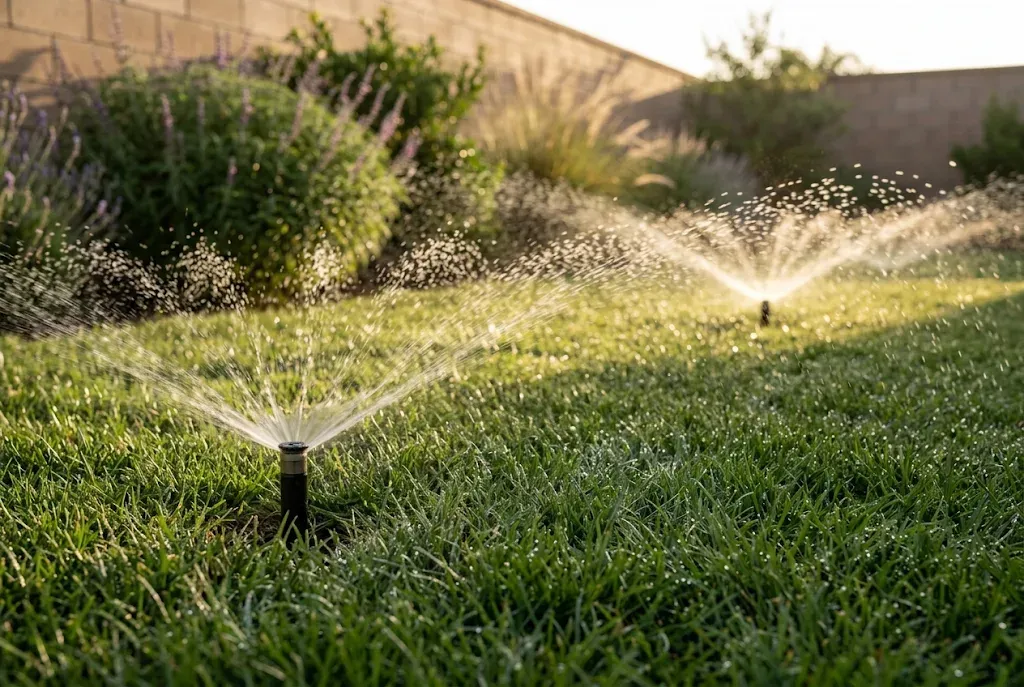
Deep, infrequent watering that wets the root zone generally encourages deeper roots than frequent light sprinkling. Because local water agencies may set watering-day rules or restrictions, check current requirements for your city before setting a schedule. If an older system has broken heads, mismatched nozzles, or poor coverage, our sprinkler system installation services can provide a more efficient layout for a new lawn.
Watering New Bermuda Grass
Newly installed Bermuda grass is not drought tolerant yet. Seed must stay consistently moist to germinate, and new sod needs frequent watering until its roots grow into the soil below. Our guide on how to care for newly installed sod explains this early period in more detail. Once the lawn is established, watering can gradually shift to deeper, less frequent cycles.
If you are comparing Bermuda grass with other low-water lawn choices, our overview of drought-tolerant grass options for Southern California covers the broader range of species worth considering.
Does Bermuda Grass Turn Brown in Winter?
Yes, Bermuda grass usually turns tan or brown in winter. As a warm-season grass, it enters dormancy when temperatures drop, slowing or stopping top growth and losing its green color. This is a natural seasonal response, not a sign that the lawn has died.
How Bermuda Grass Winter Dormancy Works
During dormancy, the crowns, rhizomes, and stolons remain alive. When daytime and soil temperatures warm in spring, the grass breaks dormancy and resumes growth, gradually returning to full color. Timing varies with local weather and microclimate. Lawns in warm, sunny spots may hold color longer into fall and green up sooner, while lawns in cooler inland valleys or shaded areas may brown earlier and recover later. In mild coastal winters, color loss may be partial rather than complete.
What About Winter Overseeding?
Some homeowners overseed Bermuda grass in fall with a cool-season grass, most commonly perennial ryegrass, to keep the lawn green through winter. Overseeding can work, but it adds seed costs, additional winter watering, more mowing, and a spring transition period when the ryegrass fades and the Bermuda grass has to recover. It is an option, not a necessity. Many homeowners simply accept a dormant winter lawn in exchange for Bermuda grass’s summer performance.
Because dormant turf cannot repair itself, limit heavy traffic during winter when practical. Paths worn into a dormant lawn may stay thin until spring growth resumes.
How Much Sun Does Bermuda Grass Need?
Bermuda grass needs full sun to perform well. The more direct sunlight the lawn area receives during the growing season, the better it tends to do, and it is one of the less shade-tolerant lawn grasses commonly planted in California.
Bermuda Grass Shade Tolerance
Bermuda grass shade tolerance is limited. In areas shaded by buildings, fences, block walls, patio covers, or large trees, it tends to grow thin and weak. Turf density drops, bare patches appear, and weeds move into the openings. Shade also slows recovery from wear, so a shaded section of lawn that also takes foot traffic can decline quickly.
Some cultivars have been bred for somewhat better shade performance, but even those are not a good choice for heavily shaded yards. If a portion of your lawn sits in shade most of the day, consider a more shade-tolerant grass for that area, or replace it with a planting bed, mulch, or groundcover.
Check Your Sun Before You Choose
Before selecting Bermuda grass, observe the lawn area at several times of day. Note where shadows fall in the morning, at midday, and in late afternoon, and remember that the sun’s angle changes with the seasons. Trees grow, too, so a sunny lawn today may be shadier in a few years. We take all of this into account when helping homeowners choose a turfgrass, because sunlight is often the single factor that decides whether Bermuda grass will succeed.
Set Up Your Bermuda Grass for Sun, Water, and Winter
Even sprinkler coverage, realistic winter expectations, and the right placement away from shade make the difference between a thin lawn and a dense one. Let us review your irrigation and sun exposure before you plant so your Bermuda grass starts strong.
When and How to Plant Bermuda Grass in Southern California
The best time to plant Bermuda grass is during warm weather, when it is actively growing. If you are deciding when to plant Bermuda grass in Southern California, mid-spring through midsummer is generally favorable, because warm soil speeds seed germination and root growth for sod, sprigs, and plugs.
Timing Depends on Your Location
Planting windows vary by location. Warm inland areas often reach favorable soil temperatures earlier in the season, while cooler coastal neighborhoods may need to wait longer for consistent warmth. Rather than picking a rigid calendar date, watch for sustained warm days, mild nights, and warm soil. Planting in fall or winter is usually a poor idea: cooling temperatures slow growth, and a new lawn may not establish before dormancy, leaving it thin and vulnerable until spring.
Adequate irrigation during establishment matters just as much as timing. Hot weather helps Bermuda grass grow, but it also dries out seedbeds and new sod quickly.
Bermuda Grass Seed vs Sod
Choosing between Bermuda grass seed vs sod is mostly a decision about time, appearance, budget, and variety.
- Seed is available for common types. It is generally the lower-cost option, but it takes longer to fill in, requires consistent moisture during germination, and the area should be kept off-limits while seedlings mature. Weeds can also compete with young seedlings. Our page on lawn seeding in Southern California explains what a seeding project involves.
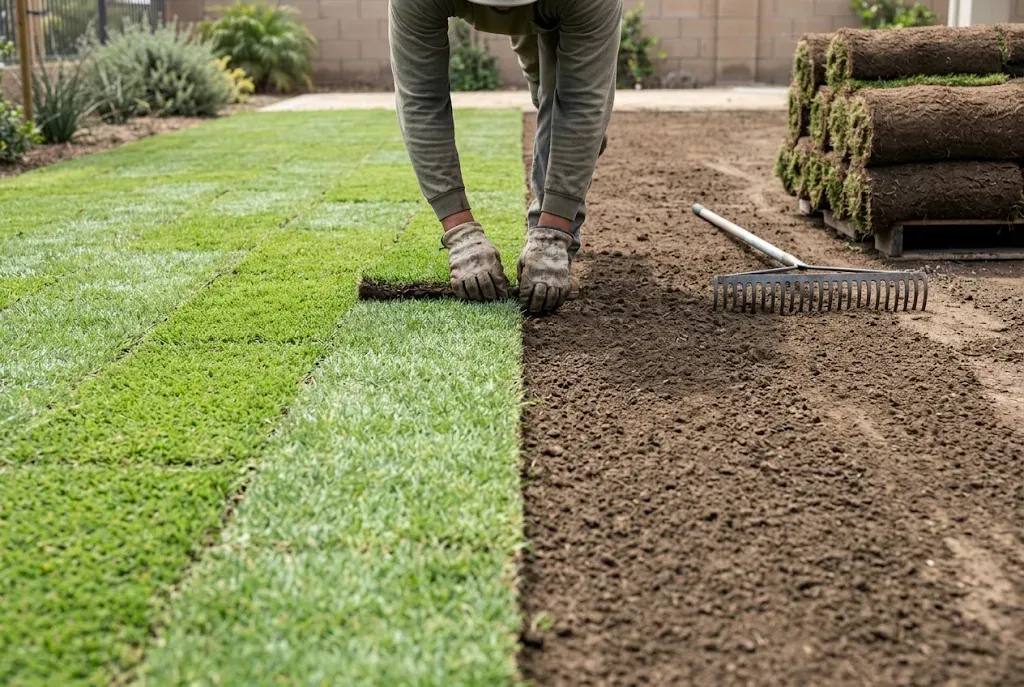
- Sod provides immediate coverage and is the usual way to install many hybrid varieties that are not sold as seed. It looks finished the day it is laid and reduces erosion and early weed pressure, but it still needs time and careful watering to root into the soil. For that timeline, see How long does it take sod to establish roots?
- Sprigs and plugs are other vegetative options for hybrids, usually slower to fill in than sod.
Whatever method you choose, soil preparation matters. Removing old turf and weeds, correcting grade and drainage, loosening compacted soil, and making sure the irrigation system delivers even coverage all improve establishment. For homeowners who want a finished lawn quickly, our professional sod installation services cover site preparation and installation, and a professional assessment can help determine whether seed or sod is the better fit for your yard.
Bermuda Grass Maintenance in Southern California: What to Expect
Bermuda grass maintenance in Southern California is moderate to high during the growing season and much lighter during winter dormancy. Good Bermuda grass lawn care from spring through fall means regular mowing, edging, irrigation management, and seasonal feeding.
Mowing
Bermuda grass grows quickly in summer, so it often needs mowing more frequently than slower-growing grasses. Hybrid varieties are generally kept shorter and cut more often than common Bermuda grass, and some fine-textured hybrids look best when cut with a reel mower. The right height depends on the cultivar, your mower, and the look you want. Avoid removing too much leaf at once, which can scalp the lawn and expose brown stems.
Irrigation and Fertilization
Adjust watering with the seasons. Bermuda grass uses more water in summer and very little during dormancy, so a controller left on a summer schedule through winter wastes water and can encourage weeds. Our irrigation services for healthy lawns can help with controller programming, coverage checks, and system upgrades. Fertilization is generally timed to active growth in late spring and summer rather than winter. Hybrids typically need more nitrogen than common types, and rates should be based on the variety, soil conditions, and product label rather than a one-size-fits-all formula.
Does Bermuda Grass Spread Into Flower Beds?
Yes, and it is one of the most common frustrations homeowners have with this grass. Stolons creep across the surface and rhizomes travel underground, so Bermuda grass readily invades flower beds, shrub borders, and vegetable gardens. Deep edging, sturdy landscape borders installed to an adequate depth, regular trimming along bed lines, and prompt removal of runners all help. Plan on edge control being a permanent part of your routine.
Weeds, Pests, Soil, and Drainage
A dense Bermuda lawn resists many weeds, but thin areas, especially in shade or after winter traffic, invite them. Watch for irregular brown patches during the growing season, which may point to an irrigation problem, insects, disease, or compacted soil. Healthy soil with good drainage supports deeper roots, and aeration can relieve compaction in heavily used lawns.
Is Bermuda Grass Good for Dogs and High-Traffic Lawns?
Bermuda grass is one of the more durable lawn grasses for homes with children and dogs, particularly in sunny yards. During active growth it tolerates moderate wear and repairs itself as runners spread into damaged areas. It is not indestructible, however. Repeated running along the same fence line, concentrated pet urine spots, and constant use of one area can still wear through the turf. Damage is more noticeable during winter dormancy, when the grass cannot recover. Recovery also depends on sunlight, irrigation, soil conditions, and maintenance, so a shaded, compacted, or under-watered area will struggle regardless of grass type.
When problems such as persistent dry spots, leaking heads, or uneven growth start to pile up, our sprinkler repair services can correct the watering issues behind them.
Is Bermuda Grass Right for Your Southern California Lawn?
Bermuda grass for Southern California lawns is a strong choice on many sunny properties, but it is not right for every yard. Here is how it compares with other common options, along with the questions we recommend asking before you decide.
Bermuda Grass vs Other Southern California Lawn Grasses
- Tall fescue is a cool-season grass that stays green through winter and tolerates more shade than Bermuda grass, but it typically needs more water in summer and has less heat and drought tolerance.
- Zoysia grass is a warm-season grass with good heat tolerance and better shade tolerance than Bermuda grass. It grows more slowly, which means less mowing but slower recovery from damage, and it also goes dormant in winter.
- St. Augustine grass is a coarse-textured warm-season grass with better shade tolerance than Bermuda grass. It is generally less tolerant of heavy wear and usually needs more water than Bermuda grass to look its best.
For a broader comparison, see our guide to the best grass types for Southern California lawns.
Questions to Ask Before Choosing Bermuda Grass
- Does the lawn area receive full sun for most of the day?
- Is your home in a hot inland area or a cooler coastal microclimate?
- Are you comfortable with a tan or brown lawn in winter, or would you overseed?
- How often are you willing to mow and edge during summer?
- Can your irrigation system deliver even, efficient coverage?
- Will kids, pets, or gatherings put heavy traffic on the lawn?
- Do trees, walls, or structures shade parts of the yard?
- Are there flower beds or gardens beside the lawn that need protection from spreading runners?
- Would seed or sod better match your timeline and the variety you want?
If most of your answers point to sun, heat, active use, and a tolerance for winter dormancy, Bermuda grass is likely a good fit. If shade, year-round green color, or minimal edging matters most, another grass may suit you better.
Professional Help for a Successful Bermuda Grass Lawn
The right grass is only part of a successful lawn. Site preparation, irrigation design, proper installation, and careful establishment determine how well any turf performs. Landscaper-Near-Me.com helps homeowners throughout Southeast Los Angeles County and Orange County with lawn planning, sod installation, irrigation, sprinkler work, and residential landscaping. Once a new lawn is in, our sod care and lawn maintenance guidance helps keep it healthy through its first seasons.
If you are still weighing the question, is Bermuda grass good for Southern California yards like yours, we are glad to look at your property and give you a clear recommendation. Call us at (888) 601-1117, email info@landscaper-near-me.com, or request a callback to schedule your free estimate.
Ready to Choose Between Bermuda Grass Seed and Sod?
Our team can help you decide on timing, variety, and installation method for your Southern California lawn. Request a callback or call (888) 601-1117 to talk through your plans with Landscaper-Near-Me.com.
FAQ's - Frequently Asked Questions
Bermuda grass is a warm-season perennial turfgrass in the Cynodon genus that spreads by above-ground stolons and underground rhizomes to form a dense lawn. It is valued for heat tolerance and wear recovery and is available as seeded common types and finer-textured hybrids.
It is a good choice for sunny lawns, particularly in warmer inland areas where heat and a long growing season favor it. It is a weaker choice for heavily shaded yards or for homeowners who want green grass all winter.
Established Bermuda grass generally needs less water than many lawn grasses, but it is not a no-water lawn. It needs regular summer irrigation to stay green, consistent moisture while establishing, and much less water during winter dormancy.
Yes. Summer heat is when Bermuda grass grows best. Summer problems are more often caused by uneven sprinkler coverage, compacted soil, or mowing too short than by the heat itself.
Usually, yes. It goes dormant as temperatures fall and greens up again in spring. Brown dormant turf is normally still alive, and overseeding with a cool-season grass is an optional way to add winter color.
Not well. Bermuda grass needs full sun and thins out under trees and near tall structures. For shaded areas, we usually suggest a more shade-tolerant grass or a non-turf planting.
It is one of the more wear-tolerant options for active dogs in sunny yards because it repairs itself during the growing season. Worn paths and urine spots can still damage it, especially in winter when it cannot regrow.
Yes. In warm weather it spreads rapidly through runners above and below the soil. That helps it fill in bare spots, but it also means nearby beds and gardens need edging and regular attention.
Plant during warm weather, generally mid-spring through midsummer, once the soil is consistently warm. Avoid fall and winter planting, when growth slows before the lawn can establish.
Seed costs less and works for common types, but it takes longer to fill in. Sod gives immediate coverage and is required for many hybrids. The better option depends on your timeline, budget, and preferred variety.
It is not difficult, but it is active. Plan on frequent summer mowing, seasonal irrigation adjustments, feeding during the growing season, and ongoing edge control. Winter care is minimal.
The main drawbacks are winter browning, poor shade tolerance, aggressive spreading into beds, and frequent summer mowing. It can also be hard to remove once it grows where it is not wanted.